Filter Bag Media Selection Guide for Dust Collector Replacement
Select filter bag media by documenting dust type, temperature, moisture, gas chemistry, abrasion, static risk, cleaning method, and current failure evidence. Do not choose media from temperature alone; compare the full operating condition before requesting a replacement review.
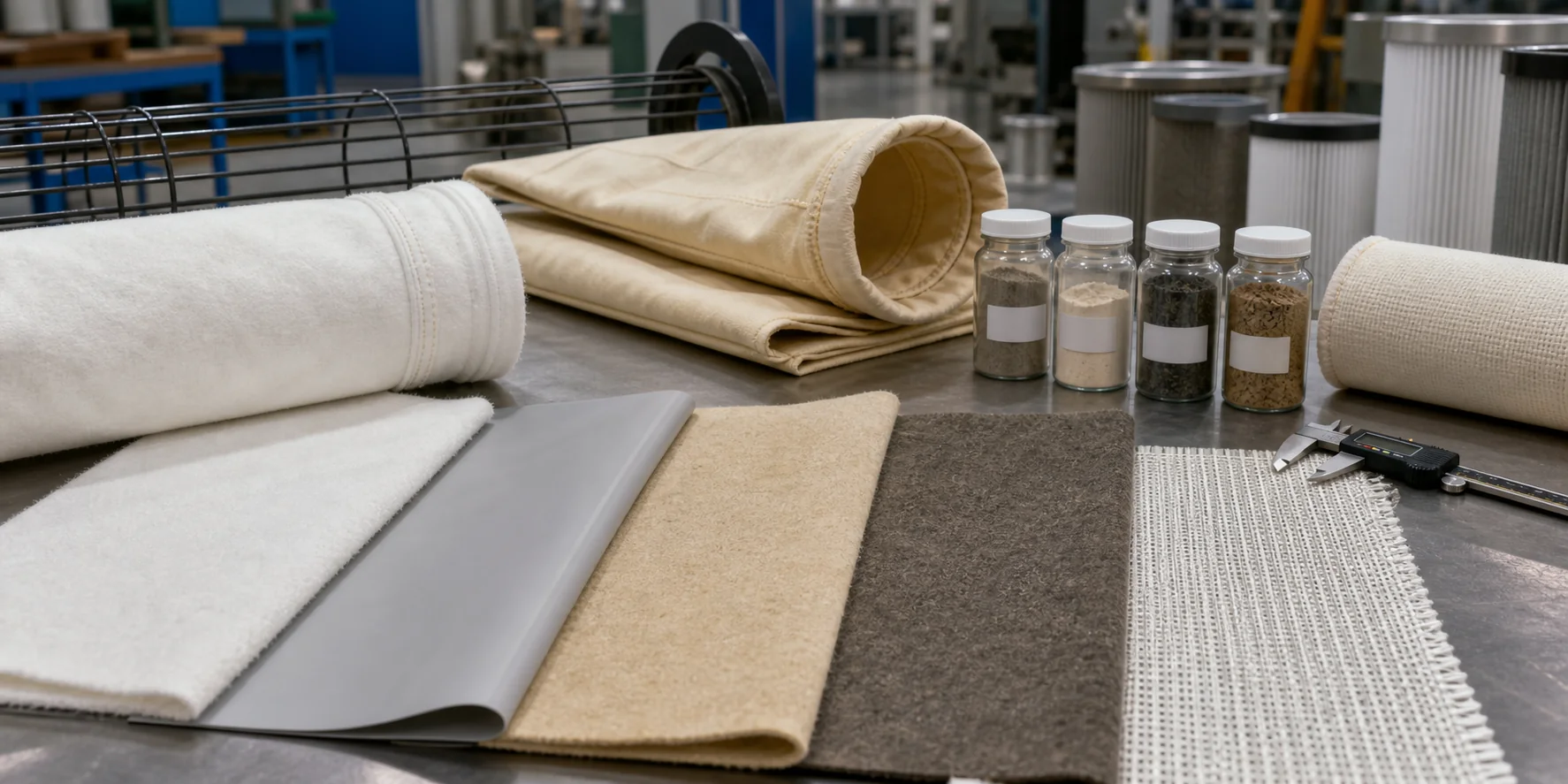
Page Route
Media selection should solve the condition, not just copy the old fabric name.
Polyester, PTFE membrane, aramid, PPS, fiberglass and specialty finishes each solve different problems. The right selection depends on the process window and replacement evidence.
Start with Operating Conditions
Temperature, moisture, chemistry, abrasion and static risk narrow the media choices before construction details are quoted.
Filter mediaCompare Common Bag Media
Polyester, PTFE membrane, aramid, PPS and fiberglass should be reviewed against the actual dust, temperature, moisture, chemistry, cleaning method and collector conditions.
Media matrixUse Failure Photos
Blinding, broken fibers, cage wear, chemical attack and dust leakage point to different media or finish changes.
Replacement signsMatch Media to Bag Construction
Top seal, cage support, cleaning method and finish should be reviewed alongside fabric choice.
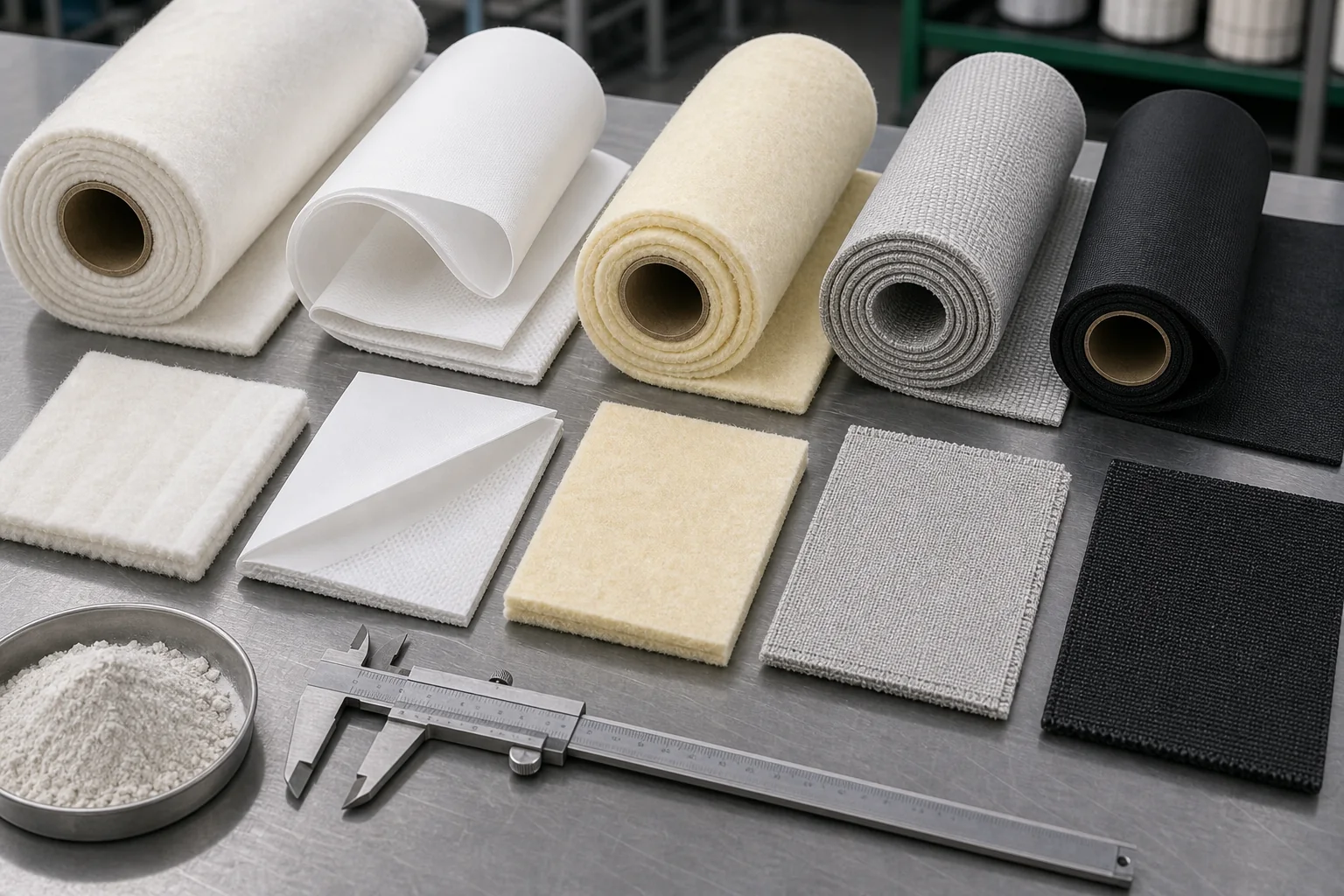
Measure bagsProduct Visuals
Use photos to connect the replacement part with the operating condition.
These visuals are intended for specification review: product fit, current condition, field measurements and the process around the filter.
Specification Matrix
Filter bag media selection matrix
Use this as a starting point. Final media selection should be reviewed from real process data, not from a single material name.
| Media / Finish Path | Typical Review Window | RFQ Data Needed | Priority |
|---|---|---|---|
| Polyester feltgeneral dry dust, moderate heat | Dust type, temperature, moisture, finish need, dimensions and current life | Common baseline for many dry dust filter bags. | |
| PTFE membranefine dust and surface filtration | Emission sensitivity, fine dust, cake release issue, DP trend and cleaning method | Can help dust release and reduce dust penetration when applied correctly. | |
| Aramid felthigher-temperature dry service | Continuous and peak temperature, oxygen, moisture, dust abrasion and failure photos | Useful high-temperature candidate, but moisture and chemistry must be reviewed. | |
| PPS feltacid gas and hydrolysis review | Temperature, oxygen, moisture, SOx/NOx, dew point and chemical exposure | Often reviewed where chemistry and moisture affect high-temperature media life. | |
| Fiberglass fabricvery high-temperature baghouse service | Temperature profile, gas chemistry, cage condition, finish and flex abrasion history | High heat option that requires careful finish and cage support review. | |
| Special finishesstatic, oil/water, abrasion or release | Static risk, oil, water, sticky dust, abrasion, food contact concerns and cleaning behavior | Finish can be as important as the base fiber. |
Note: Send photos when the drawing, label or OEM number is incomplete. A small construction detail can change fit, seal quality or service life.
RFQ Workflow
Media selection workflow for replacement filter bags.
This workflow is designed for industrial buyers who may have only a sample, photos, field measurements or partial reorder information.
Define the process window
Record dust, temperature, moisture, gas chemistry, static risk and cleaning method.
Identify the current media
Send labels, sample photos, fabric color, surface, membrane and failed bag details.
Match media to failure mode
Separate blinding, abrasion, chemical attack, heat damage, leakage and cage wear.
Check construction fit
Confirm top style, bottom style, cage, seams, finish and reinforcement.
Quote with tradeoffs
Request options when the plant must balance service life, pressure drop and replacement budget.
Field Diagnosis
Common reasons a filter bag media choice fails.
Before placing a repeat order, note whether the current issue comes from fit, media, cleaning system, operating change or mechanical wear.
FAQ
Common questions before quoting.
Use these answers to prepare the first RFQ email or WhatsApp photo set.
What information is needed for filter bag media selection?
Send dust type, temperature profile, moisture, gas chemistry, abrasion, static risk, cleaning method, current media, failure mode, bag dimensions and photos of the used filter bag.
Is polyester always the default filter bag media?
Polyester is common for many dry dust applications, but it is not universal. Temperature, moisture, chemistry, abrasion and static risk can require another media or finish.
When should PTFE membrane be considered?
PTFE membrane may be reviewed for fine dust, emission-sensitive service, cake release problems or dust penetration concerns. The collector condition and cleaning method still matter.
How do aramid, PPS and fiberglass differ?
They are often reviewed for higher-temperature service, but each reacts differently to moisture, oxygen, acid gas, abrasion and flexing. The actual process window should decide the choice.
Can the media be changed during a replacement order?
Yes, but the change should be based on a clear problem such as blinding, abrasion, leakage, chemical attack, heat damage or short service life.
Catalogue material-family bridge
Keep catalogue families separate when moving from media screening to an RFQ.
| Catalogue page | Families shown | Next product path |
|---|---|---|
| p. 9 | P84, PPS, aramid/Nomex, FMS and glass-fiber bag families | Filter bag product evidence |
| p. 10 | Standard, oil/water-resistant and antistatic polyester variants | Polyester bag product evidence |
These are catalogue family routes, not a complete parameter matrix. Confirm temperature, dust, moisture, chemical exposure, abrasion, collector type, bag construction and existing media before selection.
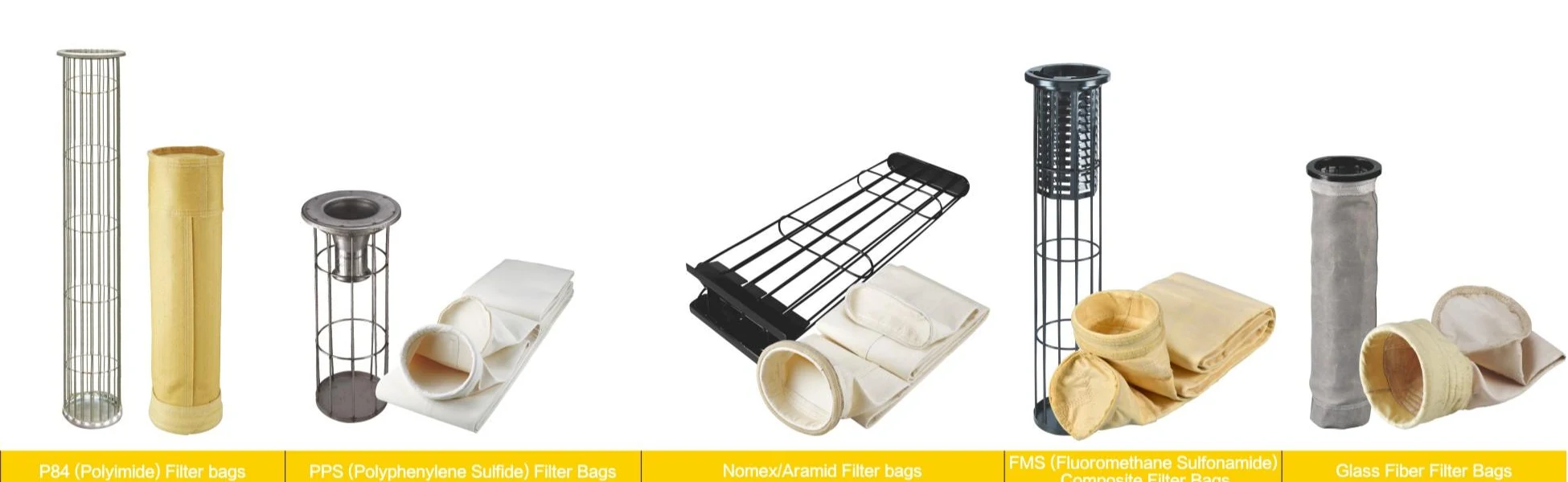
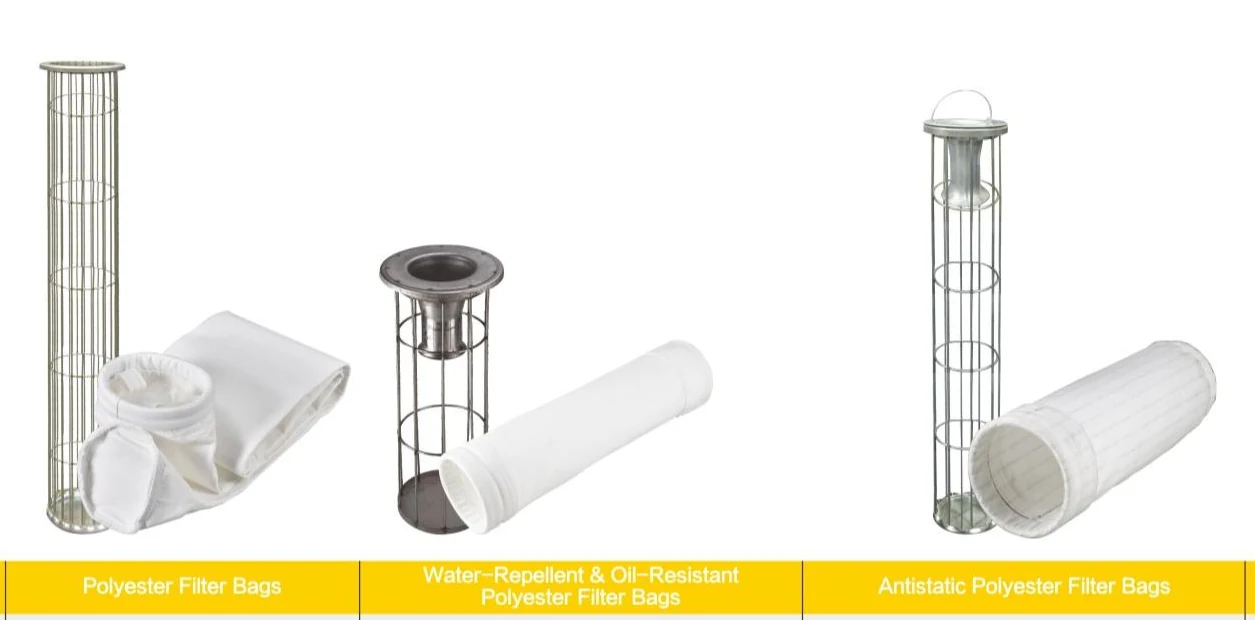
First-party source: Guanlin product catalogue, pp. 9-10. Exact numerical and performance values are not transferred.