Fiberglass Filter Bags for Very High-Temperature Baghouse Dust Collection
Custom fiberglass filter bags for cement kilns, foundry and furnace dust, carbon black, power and boiler dust, dryers, mineral processing and other hot process baghouse systems. Send temperature profile, gas chemistry, moisture, dew point, dust type, top construction, cage fit, surface finish and failed bag photos for a clearer RFQ.
Technical data sheet downloads
Review media references, operating limits and replacement information. Confirm the selected construction and acceptance requirements with your quotation.
English PDF · Rev 2.2 · 23 October 2026
Product Range
Fiberglass filter bag constructions for hot process replacement projects.
Use this page to compare fiberglass fabric, membrane and treated media options by temperature, chemistry, abrasion, dust release, top construction and operating condition.
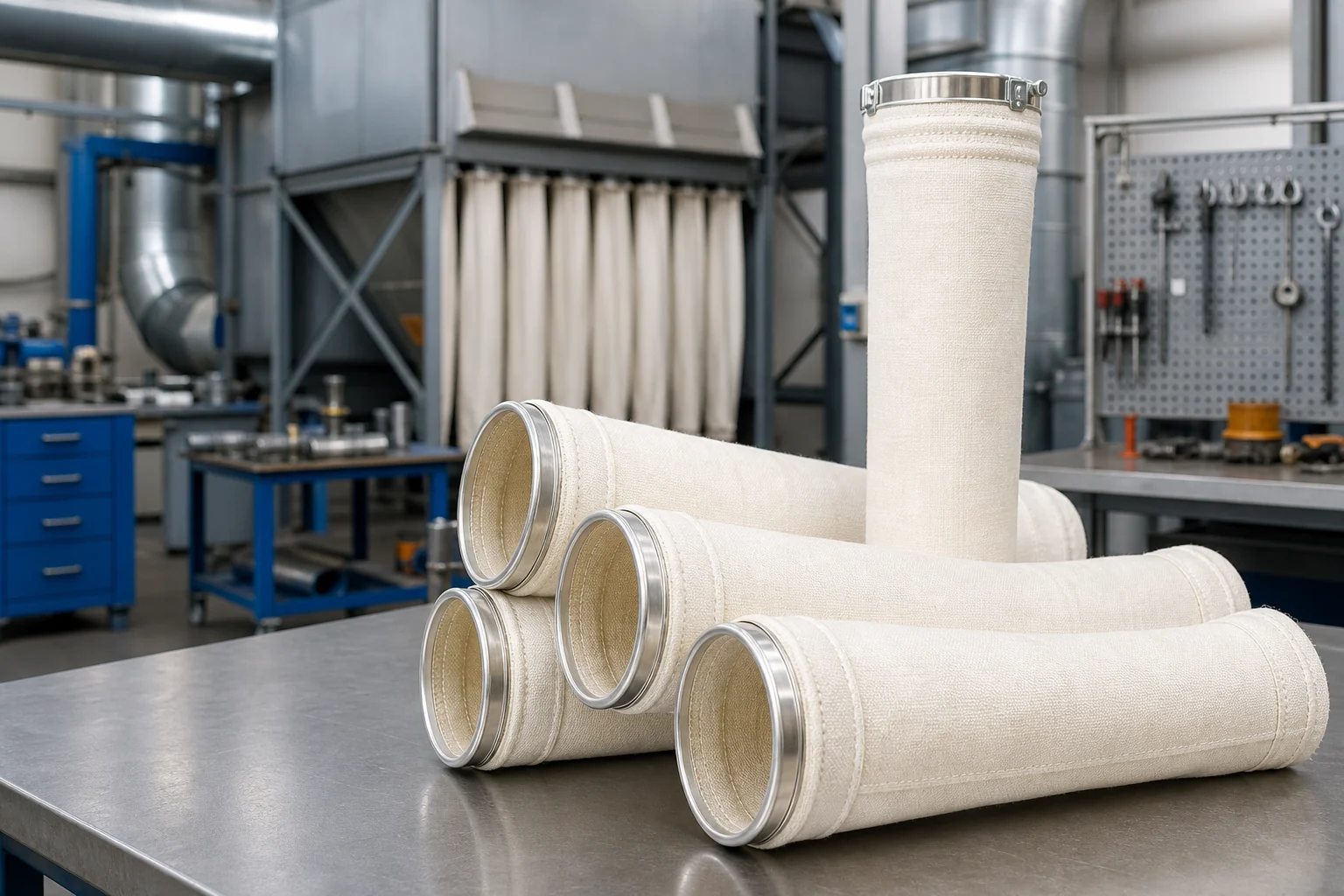
Snap Band Fiberglass Bags
For pulse jet baghouses where the glass fabric, cage support, tube sheet seal and surface treatment must work together.
Quote snap band bags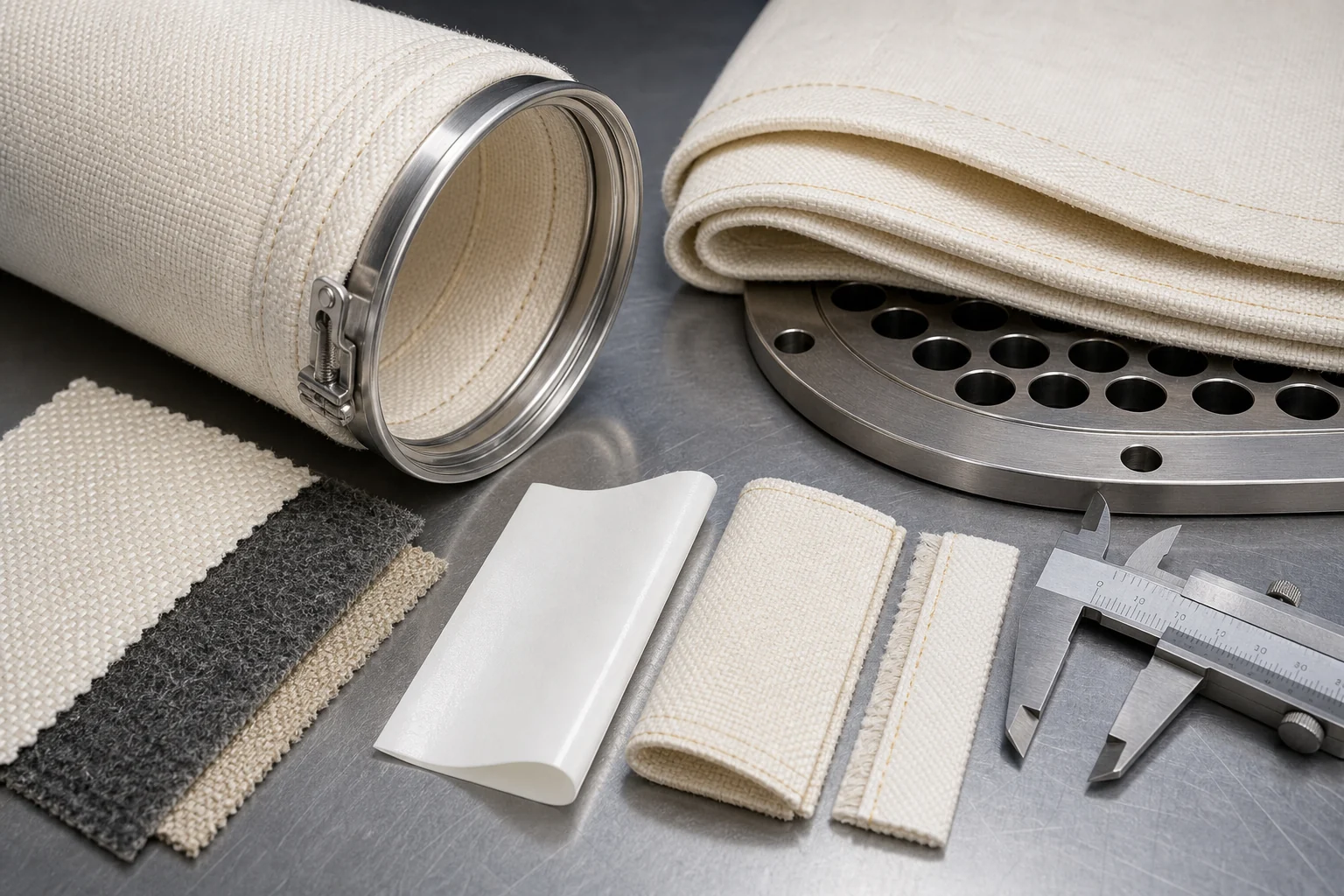
Ring / Flange / Cuff Tops
For shaker, reverse air or older baghouse systems where the top style must match existing hardware.
Check top stylePTFE Membrane Fiberglass Bags
Surface filtration option for fine dust, cake release, lower dust penetration and selected emission-sensitive conditions.
Review PTFE membrane bags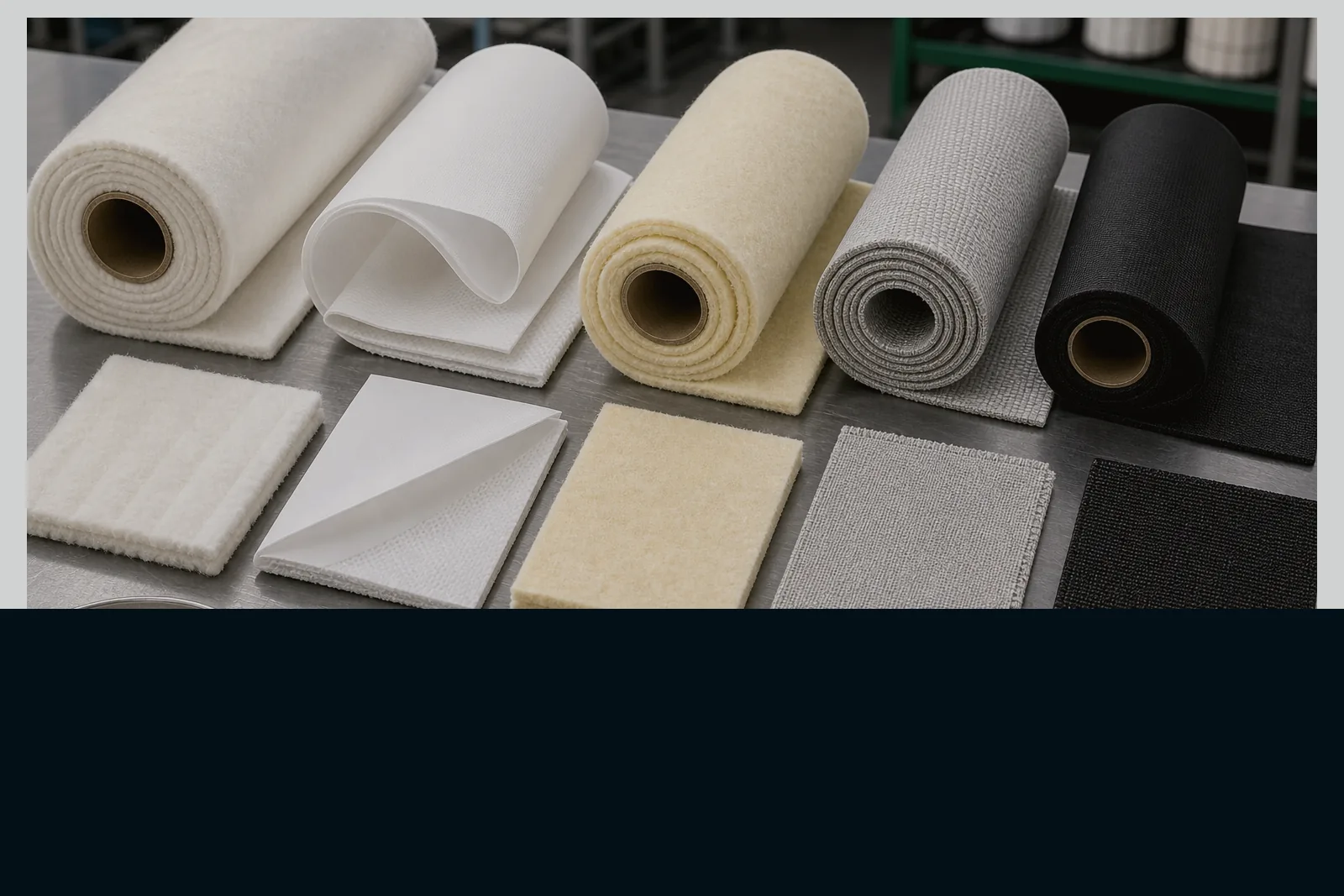
Treated Fiberglass Media
Fiberglass media with application-specific finish options such as PTFE coating, graphite or acid-resistant treatment.
Compare filter mediaProduct Visuals
Review fiberglass bag construction, media finish and cage-contact details before sending an RFQ.
A useful fiberglass bag inquiry includes photos of the old bag, tube sheet seal, cage, dust side surface and any broken or abraded areas.
Start with heat, gas condition and cage support, not only bag size.
Fiberglass is reviewed for very high-temperature dust collection, but the final bag construction depends on temperature peaks, oxygen, acid gas, moisture, abrasion, cleaning energy and cage condition.
- Temperature Profilecontinuous, peak, startup, shutdown and upset conditions
- Dust Typecement kiln dust, carbon black, boiler ash, foundry dust, furnace fume
- Gas Chemistryoxygen, SOx/NOx, acid gas, alkali, moisture and dew point risk
- Finish NeedPTFE membrane, PTFE coating, graphite or acid-resistant treatment
- Cleaning Methodpulse jet, reverse air, shaker or plenum pulse
- Failure Modebroken fibers, abrasion, blinding, leakage, chemical attack or brittleness
Match the hardware before changing the media.
Most fiberglass replacement risk sits at the top seal, cage contact points, bottom wear area and finish selection. Small fit mistakes can shorten bag life in high-temperature service.
- Top Stylesnap band, ring, flange, cuff, cord or raw edge
- Bottom Styledisc, cuff, wear pad or reinforced bottom
- Cage DetailsOD, wire count, ring spacing, corrosion and rough welds
- Media Weightfabric construction, finish, membrane and reinforcement
- Seam Detailsthread, seam path, stitch density and reinforcement
- Packingcarton, pallet, label and private label requirements
Quote by size, photo, sample or OEM-style part number.
If the current fiberglass bags are failing early, send failed bag photos as well as original dimensions. Failure mode often matters as much as the drawing.
- Old Bag Photostop, bottom, seam, label, dust side and clean side
- Dimensionsdiameter / flat width, length, cuff and snap band position
- Collector Detailsbaghouse type, cage size, tube sheet opening and venturi
- Current Mediafiberglass, aramid, PPS, P84, PTFE, polyester or unknown
- Operating Issuebreakage, abrasion, blinding, high DP, leakage or chemical damage
- Brand Disclaimerpart numbers used for identification only
Specification Guide
Specify fiberglass bags by heat profile, gas chemistry, finish, construction fit and failure history.
Fiberglass performs best when the glass fabric, surface treatment and bag construction match the actual process window. Early failure is often caused by cage abrasion, flex fatigue, acid dew point, thermal shock, wrong finish or poor top fit rather than diameter and length alone.
| Specification Area | What to Provide | Why It Matters | RFQ Priority |
|---|---|---|---|
| Temperature ProfileContinuous, peak and upset exposure | Normal operating temperature, peak temperature, startup and shutdown cycles | Fiberglass selection depends on real heat exposure and thermal cycling, not only nominal collector temperature. | |
| Gas ChemistryOxygen, acid gas, alkali, moisture | SOx, NOx, oxygen level, moisture, dew point risk and known chemical exposure | Gas chemistry decides whether fiberglass needs a specific finish or whether another media should be reviewed. | |
| Dust & ProcessCement, foundry, carbon black, boiler | Dust abrasiveness, particle size, oil content, moisture and process source | Different dusts require different finish, reinforcement or alternate media review. | |
| Top StyleSnap band, ring, flange, cuff | Tube sheet opening, band width, bead style, cord, ring, flange or grommet details | Most replacement errors happen at the top seal or installation structure. | |
| Surface FinishPTFE membrane, coating, graphite | Cake release, fine dust, sticky dust, acid exposure, emission goal and pressure drop history | Finish selection can reduce blinding, lower dust penetration or improve chemical behavior. | |
| Cage FitDiameter, wire count, ring spacing | Cage OD, rough welds, corrosion, venturi and split cage joints | Cage problems can create vertical wear, flex fatigue or early glass fiber breakage. |
High Temperature Media
Compare fiberglass with aramid, PPS and PTFE membrane options before quoting.
Fiberglass is a high-temperature filter bag option. Use it alongside aramid and PPS review, but keep the final media choice tied to actual heat, chemistry, moisture, abrasion and dust release.
Fiberglass Fabric
Reviewed for cement, foundry, furnace, boiler, carbon black and mineral dust where high temperature and dimensional stability matter.
Aramid Filter Bags
Useful comparison path for many lower high-temperature dry dust applications, depending on moisture and chemistry.
PPS Filter Bags
Commonly reviewed when acid gas, hydrolysis and moisture profile matter.
PTFE Membrane Bags
Surface filtration option for fine dust, emission-sensitive lines, dust release and lower penetration.
PTFE / Graphite / Acid Treatment
Review when cake release, chemical exposure, moisture or fine dust behavior drives the replacement decision.
Filter Media
Use the media page to compare fiber, scrim, finish, membrane and application conditions across product families.
Replacement Workflow
From failed hot baghouse bags to a confirmed fiberglass replacement specification.
A good fiberglass bag quote should include heat, chemistry, cage condition and failure mode. This prevents replacing by diameter and length while repeating the same early failure.
Identify Process
Cement, foundry, boiler, carbon black, dryer, mineral, furnace or chemical dust.
Confirm Temperature
Continuous, peak, upset, startup, shutdown, thermal shock and spark exposure.
Measure Bag
Diameter, length, top style, bottom style, seam and reinforcement details.
Review Cage & Failure
Broken glass fiber, abrasion lines, cage welds, blinding, leakage or high pressure drop.
Quote & Sample
Confirm media, finish, quantity, packaging, lead time and sample requirement.
How to Measure
Measure the bag and describe the high-temperature condition before requesting a quote.
Many fiberglass baghouse projects fail because the supplier receives only size information. Add temperature, gas chemistry, moisture, cage condition and failure photos to make the RFQ useful.
Best fiberglass RFQs include diameter, length, top style, bottom style, current media, finish, cage details, temperature profile, gas chemistry, moisture, dew point, dust type and failed bag photos.
Troubleshooting
Common fiberglass filter-bag review points include broken fibers, flex abrasion, blinding, leakage evidence, fit, cleaning history, and the observed failure pattern.
Fiberglass inquiries often come after broken fibers, flex abrasion, blinding, leakage or heat and chemistry damage. These clues help identify the right media, finish and construction.
Applications
Fiberglass filter bags for high-temperature industrial dust collection.
Fiberglass media selection changes by temperature profile, gas chemistry, dust abrasiveness, moisture, finish and failure history. Send process details with old bag photos.
Quality Control
Quality checks before packing and repeat orders.
- Media Verificationglass fabric, weight, finish, membrane
- Dimension Checkdiameter, length, top/bottom tolerance
- Sewing Inspectionseam, stitch density, thread and reinforcement
- Finish ReviewPTFE membrane, PTFE coating, graphite or acid treatment
- Cage Compatibilitydiameter, length, wire contact, venturi and rough welds
- Export Packingcarton, pallet, label, private label
Related Product Paths
Continue to related high-temperature and filter specification pages.
Request a Quote
Send your fiberglass filter bag specs for heat and chemistry review.
For fiberglass replacement projects, photos of the failed bag, cage, tube sheet and dust-side surface are useful, but temperature profile, gas chemistry and cage condition are just as important. Samples or drawings are recommended for special constructions and early-failure cases.
- Custom fiberglass bags by diameter, length, top and bottom style
- Media and finish recommendation based on heat, chemistry, dust, moisture and cage condition
- Failure mode review for broken fibers, cage abrasion, blinding, leakage and chemical damage
- Sample order and private label packing available
FAQ
High-temperature fiberglass filter bag questions for quotation.
What information do you need to quote fiberglass filter bags?
Send bag diameter, overall length, top style, bottom style, current media if known, quantity, collector type, cage details, continuous temperature, peak temperature, gas chemistry, moisture, dew point, dust type, current finish and failed bag photos.
When are fiberglass filter bags used?
Fiberglass filter bags are reviewed for very high-temperature baghouse dust collection such as cement kilns, foundry and furnace dust, carbon black, boiler dust, dryers, mineral processing and other hot process dust applications.
How should I compare fiberglass with aramid or PPS filter bags?
Fiberglass is often reviewed when the process needs very high temperature capability and dimensional stability. Aramid may fit lower high-temperature dry service, while PPS is commonly reviewed for acid-gas and hydrolysis concerns. Final selection depends on real temperature, oxygen, moisture, gas chemistry, abrasion and dust release.
Can fiberglass bags use PTFE membrane or coating?
Yes. Fiberglass bags can be reviewed with PTFE membrane, PTFE coating or other finish options for fine dust, cake release, chemical exposure or emission-sensitive service. The finish should be selected from actual process data.
Why did my fiberglass bags break or lose strength early?
Common causes include flex abrasion, cage wear, rough welds, thermal shock, acid dew point, moisture, chemical attack, incorrect surface treatment, over-pulsing, high dust abrasion or wrong fit at the tube sheet.
Do fiberglass filter bags need cages?
Most pulse jet fiberglass baghouse applications rely on correct cage support. Cage diameter, wire count, ring spacing, corrosion, rough welds and venturi details should be checked because glass fiber can be sensitive to flex and cage abrasion.
Can you quote OEM-style replacement fiberglass bags?
Yes. Send dimensions, photos, sample bags, drawings or part numbers for identification and cross-reference purposes. Brand names should only be used to identify compatibility requirements.
Should I order a sample before switching to fiberglass?
A sample is recommended when the old media is unknown, the plant is changing from aramid or PPS, the failure mode is unclear, or the bag has special top, bottom, finish or reinforcement details.