Aramid Filter Bags for High-Temperature Baghouse Dust Collection
Custom aramid and Nomex-style filter bags for asphalt plants, cement kilns, dryers, foundries, metalworking lines and other high-temperature baghouse systems. Send temperature profile, dust type, moisture, chemistry, top construction, cage fit, media finish and failure photos for a clearer RFQ.
Product Range
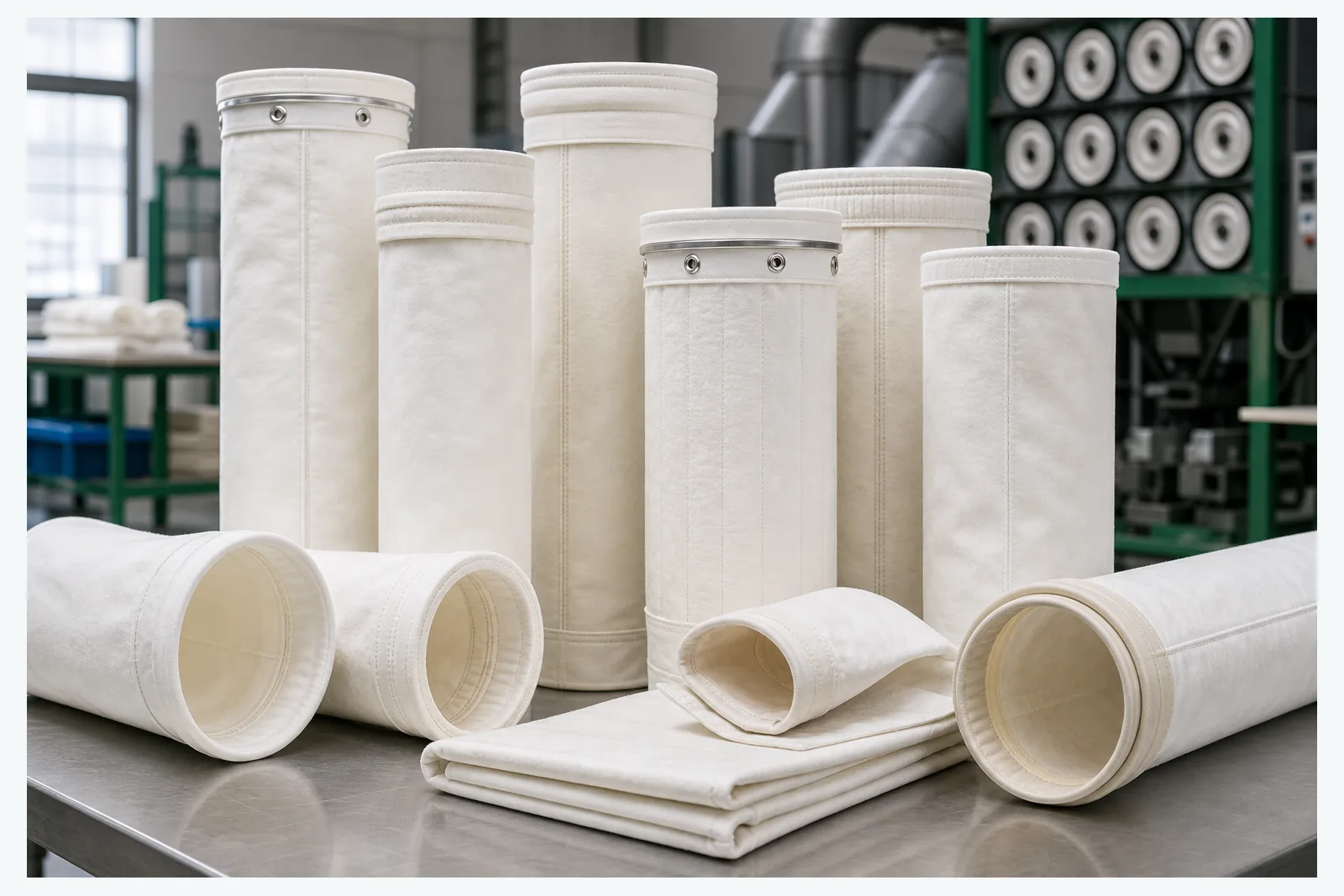
Aramid filter bag constructions for high-temperature replacement and retrofit projects.
Use this page to compare aramid, Nomex-style and PTFE membrane aramid bag options by heat resistance, abrasion, surface finish, top construction and operating condition.
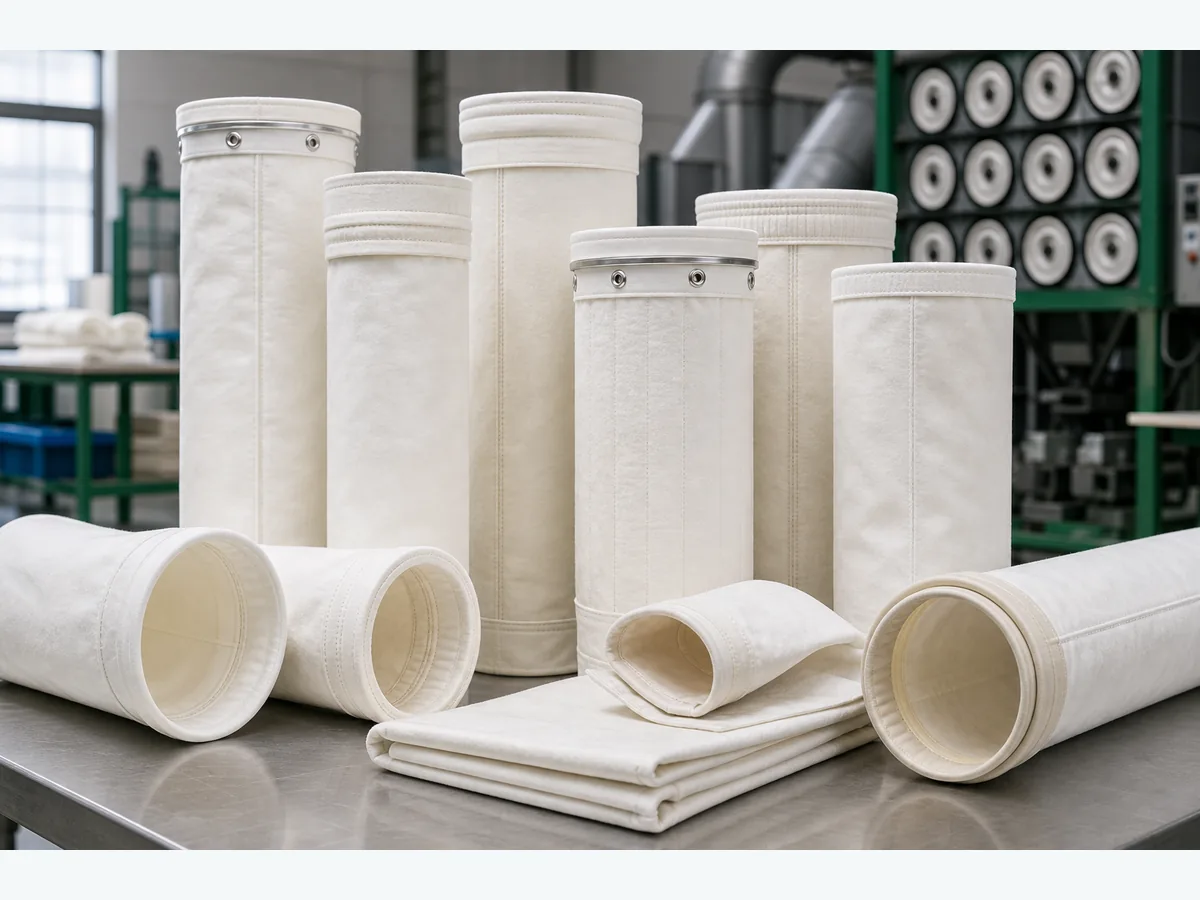
Snap Band Aramid Bags
For pulse jet baghouses with cage support and tube sheet sealing requirements.
Quote snap band bags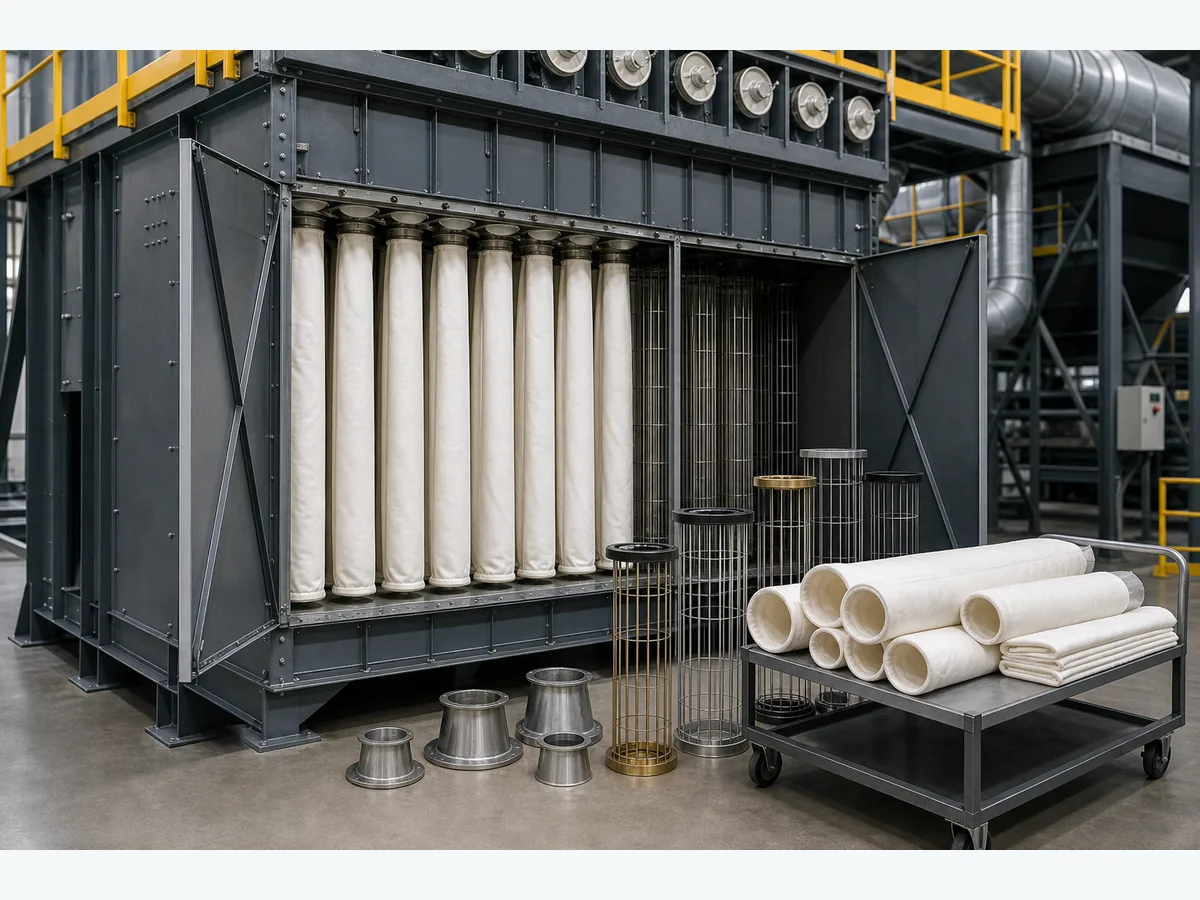
Ring / Flange / Cuff Bags
For shaker, reverse air or older collectors where the top structure must match existing hardware.
Check top style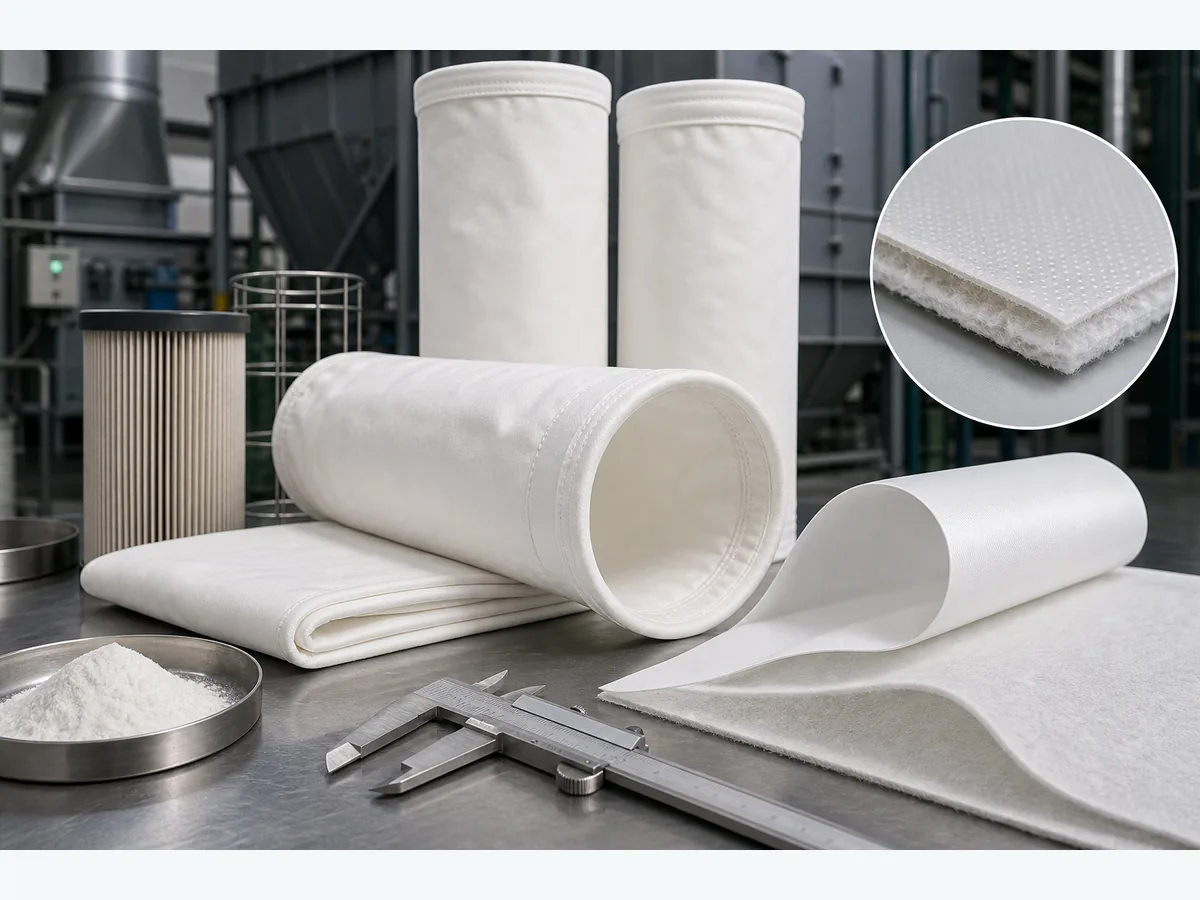
PTFE Membrane Aramid Bags
Surface filtration option for fine dust, cake release and selected lower-emission requirements.
Compare finishes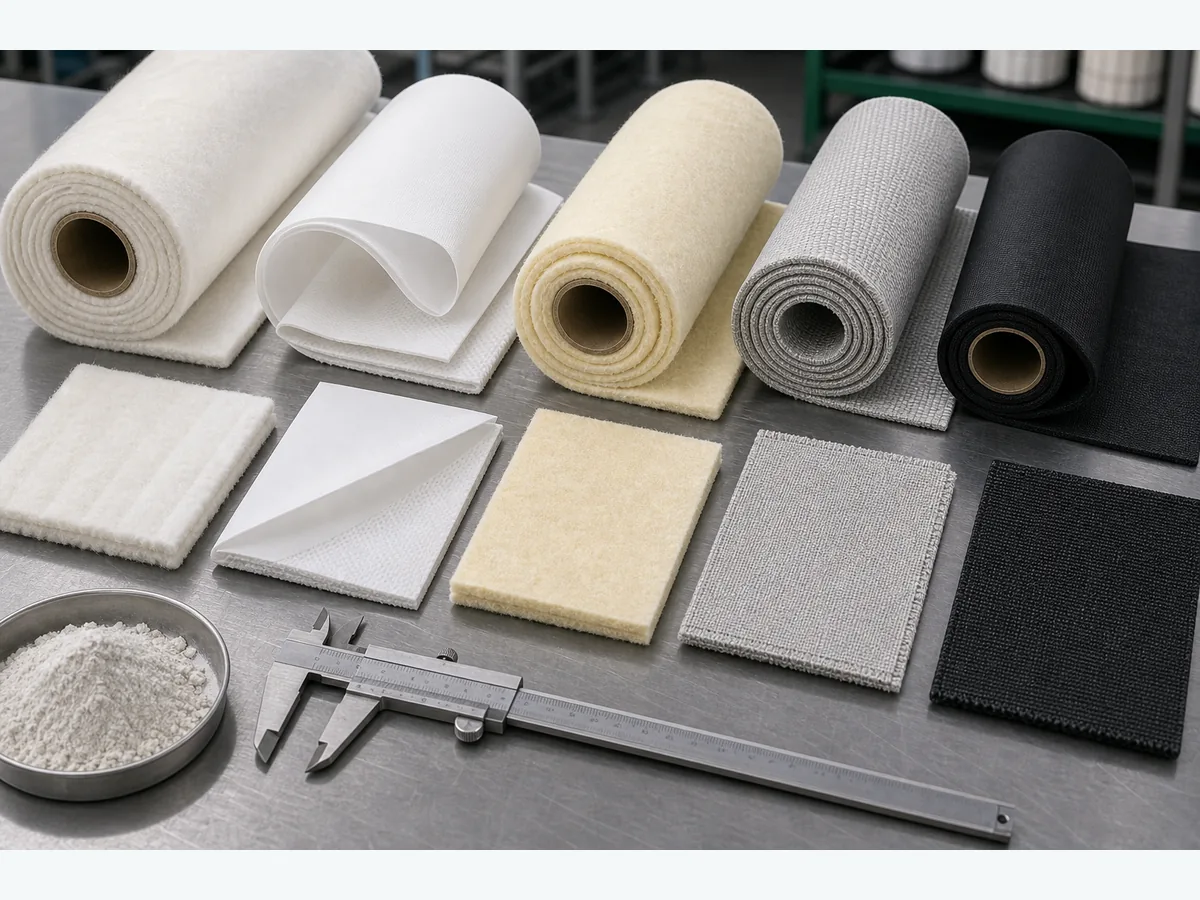
Aramid Needle Felt Media
Custom weights and finishes for heat-set stability, abrasion and dust release needs.
Request media reviewProduct Visuals
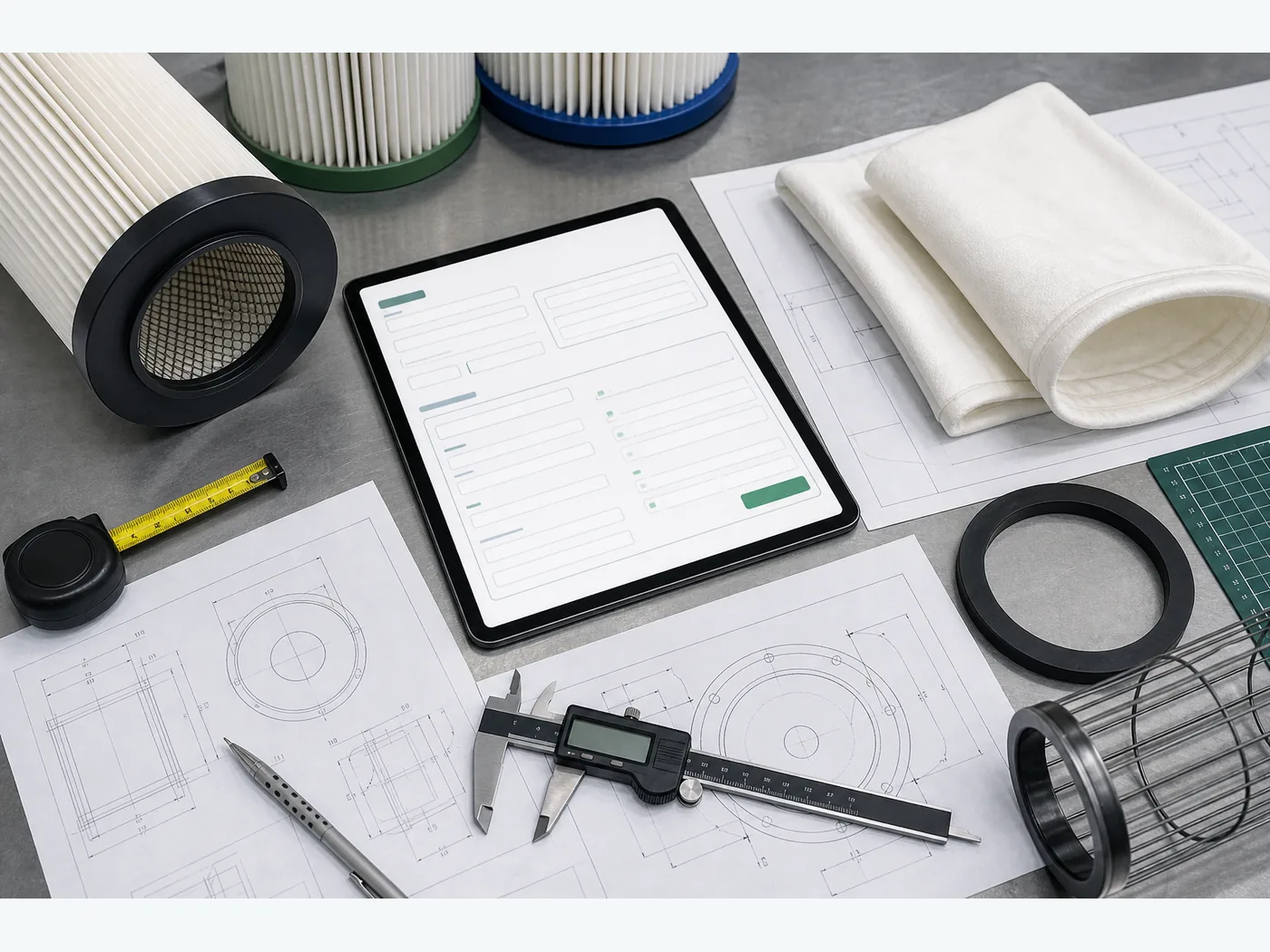
Review aramid bag construction, media surface and measurement details before sending an RFQ.
Photos help confirm top style, media texture, cage fit and measurement points, so buyers can send useful replacement information without a complete drawing.
Start with the plant condition, not only the bag size.
Aramid is usually selected when polyester is no longer suitable because of temperature, heat cycling, abrasion or process dust behavior. The same nominal bag size may require different media and finish by industry.
- Temperature Profilecontinuous, peak, startup and shutdown conditions
- Dust Typeasphalt, cement, lime, foundry, dryer, metal fume
- Moisture / Dew Pointcritical for bag life and media choice
- Chemical Exposureacid gas, alkali, hydrocarbons, oxidation risk
- Cleaning Methodpulse jet, shaker, reverse air or plenum pulse
- Failure Modeshrinkage, abrasion, blinding, leakage or burn marks
Snap Band Top
Common for pulse jet systems where tube sheet sealing, cage fit and quick installation are required.
Ring / Flange / Cuff Top
Used for shaker, reverse air or retrofit collectors where the top structure must match existing hardware.
Reinforced Bottom & Wear Strip
Recommended when abrasion occurs near cage contact points, inlet dust impact or bottom movement areas.
Singed / Glazed / Calendered
Smoother dust-side surface can improve cake release and reduce dust retention in selected applications.
PTFE Membrane
Surface filtration option for fine dust, lower emission goals and difficult release behavior.
Oil & Water Repellent / Anti-static
Condition-specific treatments for moisture, oily fumes, static-prone dust or difficult release behavior.
Quote by size, photo, sample or OEM-style part number.
If the current bag is failing early, send failed bag photos as well as original dimensions. Failure mode often matters as much as the drawing.
- Old Bag Photostop, bottom, seam, label, dust side and clean side
- Dimensionsdiameter / flat width, length, cuff, snap band position
- Collector Detailsbaghouse type, cage size, tube sheet opening
- Current Mediaaramid, PPS, fiberglass, polyester or unknown
- Operating Issueheat damage, hardening, shrinkage, pressure drop, leaks
- Brand Disclaimerpart numbers used for identification only
Specification Guide
Specify aramid bags by heat profile, media construction, fit and failure history.
Aramid performs best when the temperature and process conditions fit the media. Early failure is often caused by moisture, chemical attack, abrasion, wrong finish or poor cage fit rather than size alone.
| Specification | What to Confirm | Why It Matters | RFQ Priority |
|---|---|---|---|
| Temperature ProfileContinuous and peak heat | Normal operating temperature, peak temperature, startup and shutdown cycles | Aramid selection depends on real heat exposure, not only nominal collector temperature. | |
| Dust & ProcessAsphalt, cement, dryer, foundry | Dust abrasiveness, oil content, moisture, particle size and process chemistry | Different dusts require different finish, weight, reinforcement or alternate media review. | |
| Top StyleSnap band, ring, flange, cuff | Tube sheet opening, band width, bead style, cord, ring, flange or grommet details | Most replacement errors happen at the top seal or installation structure. | |
| Bottom StyleDisc, cuff, reinforced bottom | Disc diameter, sewing, reinforcement, wear area and cage contact | Bottom construction affects durability under cleaning movement and dust loading. | |
| Surface FinishSinged, glazed, PTFE membrane | Cake release, fine dust, sticky dust, emission goal and pressure drop history | Finish selection can reduce blinding and improve cleaning behavior. | |
| Cage FitDiameter, wire count, ring spacing | Cage OD, rough welds, corrosion, venturi and split cage joints | Cage problems can appear as vertical wear, tearing or early bag failure. |
Media Selection
Compare aramid variants, finishes and neighboring high-temperature media before quoting.
Aramid is not always the final answer. For certain flue gas chemistry, moisture or temperature peaks, PPS, fiberglass, P84 or PTFE-based options may need review.
Aramid / Nomex-Style Felt
Common high-temperature felt for asphalt, cement, dryers, foundry and selected metalworking dust.
Glazed / Singed Aramid
Useful where surface fibers hold dust and cleaning energy needs better cake release.
PTFE Membrane Aramid
Surface filtration option for fine particulate, emission-sensitive lines and selected sticky dust conditions.
Oil & Water Repellent Aramid
Consider when moisture, hydrocarbon fumes or blinding history appear in asphalt or drying lines.
Aramid + P84 Surface Layer
Application-specific option for abrasive fine dust, minerals and heavy dust loading.
PPS / Fiberglass / P84
Review when aramid may not match chemistry, acid gas, hydrolysis risk or very high temperature peaks.
Replacement Workflow
From failed high-temperature bags to a confirmed replacement specification.
A good aramid bag quote should include the plant condition and failure mode. This prevents replacing by diameter and length while repeating the same failure.
Identify Process
Asphalt, cement, dryer, foundry, metalworking, lime or boiler-related dust.
Confirm Temperature
Continuous, peak, upset, startup, shutdown, spark and dew point conditions.
Measure Bag
Diameter, length, top style, bottom style, seam and reinforcement details.
Review Failure
Shrinkage, burn marks, hardening, abrasion, blinding, leakage or high pressure drop.
Quote & Sample
Confirm media, finish, quantity, packaging, lead time and sample requirement.
How to Measure
Measure the bag and describe the heat condition before requesting a quote.
Many high-temperature baghouse projects fail because the supplier receives only size information. Add temperature, dust chemistry and failure photos to make the RFQ useful.
Best RFQs include diameter, length, top style, bottom style, current media, finish, cage details, temperature profile, dust type, moisture, chemical exposure and failed bag photos.
Troubleshooting
Common aramid filter-bag review points include heat exposure, abrasion, moisture or chemical attack, seam condition, cage relationship, cleaning history, and the observed failure pattern.
Aramid inquiries often come after short bag life, shrinkage, abrasion, blinding or heat damage. These clues help identify the right media and finish.
Applications
Aramid filter bags for high-temperature industrial dust collection.
Aramid media selection changes by dust type, moisture, chemistry, temperature profile and failure history. Send process details with the old bag photos.
Quality Control
Quality checks before packing and repeat orders.
- Media Verificationfiber, weight, scrim, finish, membrane
- Dimension Checkdiameter, length, top/bottom tolerance
- Sewing Inspectionseam, stitch density, reinforcement
- Heat-Set Reviewmedia stability and shrinkage control
- Cage Compatibilitydiameter, length, wire contact, rough welds
- Export Packingcarton, pallet, label, private label
Related Product Paths
Continue to related filter specification pages.
Request a Quote
Send your aramid filter bag specs for engineering review.
For high-temperature replacement projects, photos of the failed bag, cage, tube sheet and dust side surface are often enough for initial review. Samples or drawings are recommended for special constructions and early-failure cases.
- Custom aramid bags by diameter, length, top and bottom style
- Media and finish recommendation based on heat, dust, moisture and chemistry
- Failure mode review for shrinkage, abrasion, blinding and leakage
- Sample order and private label packing available
FAQ
High-temperature filter bag questions for quotation.
What information do you need to quote aramid filter bags?
Send bag diameter, overall length, top style, bottom style, current media if known, quantity, collector type, cage details, temperature profile, dust type, moisture, chemical exposure, failed bag photos and operating conditions.
Are aramid filter bags the same as Nomex filter bags?
Aramid filter bags are often described as Nomex-style or meta-aramid filter bags. The exact media construction, weight, finish and operating suitability should be confirmed for the application.
When should I choose aramid instead of polyester?
Aramid is usually considered when polyester is not suitable because of higher temperature, heat cycling or selected high-temperature process dust. Moisture, acid gas and peak temperature must still be reviewed.
Can aramid bags use PTFE membrane?
Yes. PTFE membrane can be applied to aramid felt for selected fine dust, cake release or emission-sensitive applications. Temperature, cleaning energy and dust behavior should be checked before selection.
Why did my high-temperature bags fail early?
Common causes include temperature spikes, acid dew point, moisture, wrong media finish, abrasive cage contact, excessive pressure drop, poor cleaning or wrong top construction. Send photos of the failed bags for review.
Can you quote OEM-style replacement aramid bags?
Yes. We can review dimensions, photos, samples or part numbers for identification and cross-reference purposes. Brand names should only be used to identify compatibility requirements.
Do I need to replace cages when switching to aramid bags?
Not always, but cages should be inspected for corrosion, rough welds, bent wires, ring spacing and correct diameter. Damaged cages can shorten the life of new aramid bags.
Can I order samples before mass production?
Yes. Samples are recommended for high-temperature media changes, unclear old specifications, distributor stock programs or first-time replacement projects.